
Kickstart or Reboot your year spiritually as a follower of Jesus Christ by beginning with a biblical Fast—an essential foundation for deepening your spiritual journey, hearing from God, and interceding for yourself or others. Fasting strengthens spiritual discipline and helps overcome the desires of the flesh. In this blog, I’ve outlined step-by-step instructions for getting started.
- Put my plate down/Fast & Pray:

In my experience with two 21-day fasts and maintaining a fasting lifestyle, I have found that fasting is valuable for spiritual, mental, and physical renewal. Use this intentional time to pray and seek God’s direction for what is ahead.
Fasting is the practice of abstaining from food for a set period. Types include a complete fast (only water) and a partial fast (abstaining for part of the day). Seek the Holy Spirit’s guidance. Fasting should include prayer, worship, and Bible reading to grow closer to God.
“And when you fast, don’t make it obvious, as the hypocrites do, for they try to look miserable and disheveled so people will admire them for their Fasting. I tell you the truth, that is the only reward they will ever get.” Matthew 6:16.
Jesus mentioned that when you fast, assuming we would do it willingly, it is part of this journey as his followers. He clearly states what to do and how to approach Fasting. There are different types of fasting: a partial fast and a complete fast. A partial fast means abstaining from food for a set period of hours. A complete fast means abstaining from all food for a set time, usually only drinking water. When doing a complete fast, proceed with caution and wisdom. Consider whether a person is healthy or has the Doctor’s consent, unless the Lord is leading them to do so.
“Then Esther told them to reply to Mordecai: ‘Go, gather all the Jews who are present in Shushan, and fast for me; neither eat nor drink for three days, night or day. My maids and I will fast likewise. And so I will go to the king, which is against the law; and if I perish, I perish!” Esther 4:15-16.
Esther’s story demonstrates the power of fasting and prayer in a crisis—she called her people to fast for three days to seek God’s help and then moved boldly.
“But when you fast, comb your hair and wash your face. Matthew 6:17.
“Then no one will notice that you are fasting, except your Father, who knows what you do in private. And your Father, who sees everything, will reward you.”
Matthew 6:18.
You may fast on your own or with others, but always approach it with humility and sincerity, never for show or recognition. Focus on spiritual growth instead of your outward appearance.
2. Make a Decision:

Set your goals for the year, ensuring each goal seeks God’s approval and aligns with biblical values.
Consider spending consistent time with God to clarify your goals in different areas. Is quality time with your spouse and children a goal? Is it exercise and better eating choices? Is it planning how often you can work out, or how you will make better eating choices? How about walking in your calling? This means seeking God’s guidance for your assignment here on earth.
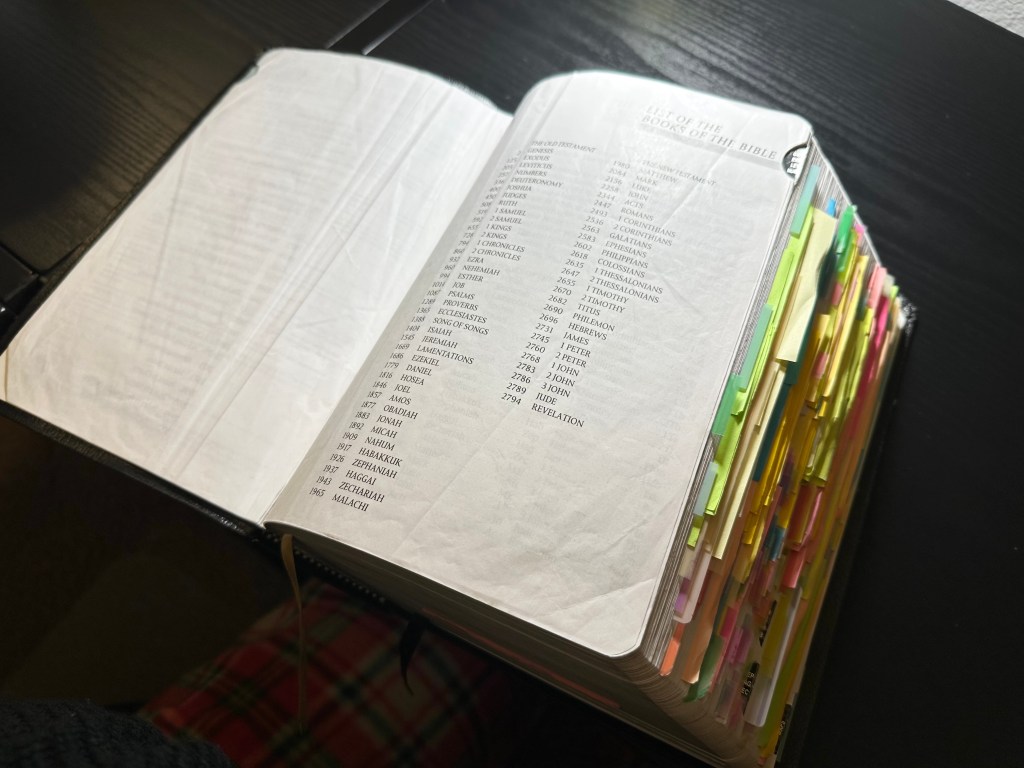
What is your goal for the year? Would God approve? Are they biblically sound? Consider these Scriptures:
These scriptures are in reference to spending time with God and Family:
“Abide in Me, and I in you. As the branch cannot bear fruit of itself, unless it abides in the vine, neither can you, unless you abide in Me.”
John 15:4.
“But seek first the kingdom of God and His righteousness, and all these things shall be added to you.” Matthew 6:33.
“He must manage his own family well and see that his children obey him, and he must do so in a manner worthy of full respect. If anyone does not know how to manage his own family, how can he take care of God’s church?”
1 Timothy 3:4-5.
These scriptures are in reference to your body and eating better:
“Or do you not know that your body is the temple of the Holy Spirit who is in you, whom you have from God, and you are not your own? For you were bought at a price; therefore glorify God in your body and in your spirit, which are God’s.”
1 Corinthians 6:19-20.
“When you sit down to eat with a ruler, Consider carefully what is before you, And put a knife to your throat if you are a man given to appetite. Do not desire his delicacies, For they are deceptive food.”
Proverbs 23:1-3.
These scriptures are in reference to walking in your calling:
“Therefore, since we are surrounded by such a great cloud of witnesses, let us throw off everything that hinders and the sin that so easily entangles. And let us run with perseverance the race marked out for us, fixing our eyes on Jesus, the pioneer and perfecter of faith. For the joy set before him, he endured the cross, scorning its shame, and sat down at the right hand of the throne of God.”
Hebrews 12:1-2
3. Identify the steps necessary to accomplish your goal:

Write down the steps to achieve your goal. Decide on your commitment and actions. Identify your main focus.
For example:
Goal: Spending time with God
Commitment: I can start with 3 days a week and gradually increase to more days per week.
Action steps: Begin on Monday and set up a designated, quiet, peaceful place to pray, read, and journal. Prepare a soothing music playlist to play softly in the background, helping set the tone for your time with God.
Always remember your motivation and intended results. Building a relationship with God takes steady, consistent effort, just as building muscle at the gym does. Start by committing one day at a time and expect to notice gradual, positive change as you grow.
Adjust your plan as needed and stay committed; avoid perfectionism.
4. Set realistic goals and approaches. Establish your daily plan. Consider using a small notebook for tracking progress and exploring starting a planner:

Set achievable goals to build confidence. Unrealistic steps can set you back.
Using pen and paper made it easier for me to see my schedule and track tasks. After a year with a handheld notepad, I tried a planner and found it helpful once I was ready for more structure.
I wrote down the tasks and crossed them off. Later, I used a notebook for daily priorities and then switched to a planner.
Make a clear Plan A and a fallback Plan B. Limit options to focus on, and have a plan to continue if you miss a day.
Decide when to start—tomorrow or Monday—and mark your calendar. Commit now, let your motivation fuel persistence, and take the first step toward spiritual growth.

Keeping your commitments matters—breaking them erodes self-trust and self-esteem, even if no one else sees.
“And don’t say anything you don’t mean. This counsel is embedded deep in our traditions. You only make things worse when you lay down a smoke screen of pious talk, saying, ‘I’ll pray for you,’ and never doing it, or saying, ‘God be with you,’ and not meaning it. You don’t make your words true by embellishing them with religious lace. In making your speech sound more religious, it becomes less true. Just say ‘yes’ and ‘no.’ When you manipulate words to get your own way, you go wrong.”
Matthew 5:33-37.
If you fall short, recommit, adjust, and keep going. Review your schedule, address obstacles, and take intentional action toward your spiritual goals.

“For though the righteous fall seven times, they rise again, but the wicked stumble when calamity strikes.” Proverbs 24:16.
Let’s pray, Heavenly Father, thank you for your on-time word and tips. Father, thank you for not leaving me nor forsaking me despite what I see in my life. The setbacks, the bumps, the pain. Everything in my life has never been a surprise to you, but I pray to see my life through your eyes and to learn from every scenario. I know pruning and pain sometimes have to happen to refine the person you created me to be. In this season, I pray that I don’t miss the lessons you are teaching me and that I can trust you in the process. Help me to seek you wholeheartedly and with reverence, for you are a loving, faithful, and gracious Father to me. I pray this in the mighty name of Jesus, amen.






 BrendaHubbard
Leave a comment