
A stepfamily, blended family, bonus family, or instafamily is a family where at least one parent has children that are not biologically or adoptive related to the other spouse or partner. Either parent or both may have children from previous relationships. (Wikipedia)
Our family dynamic is a blended family. My husband has five children from his previous marriage, and I have one child from my last relationship. Together after we got married, we became a blended family. But before you start thinking about our household dynamic, let me say that only two of his and my one are in the home because his other ones are older and live independently.
Regardless of the fact, we are still learning how to live, love, and work together as a family despite our children coming from previously broken households. We all bring baggage that we are slowly unpacking, and some days are better than others. Still, my husband and I have committed to keeping God first in our marriage and our family because we figured it is the only way that this blended family can succeed.
Since we got married, we have found these tips to be very beneficial in our home dynamic. But we believe that ordinary families that are non-blended can also benefit from these tips. Here are five crucial tips we have found to be helpful as a blended family:

1) God- Incorporate daily family prayer. We decided early on that we would keep God in the center of our marriage because we believe he was the one that put us together, and we would need him daily to sustain us. Before we all moved in together, we knew that we were stepping into uncharted territories by not knowing how we all would live and act on a day-to-day basis. But we trusted God regardless.
There is only so much prepping and talking you can do to prepare for a family life together. But there is nothing like the day of; everyone is excited and ready to be a big happy family until a few months later. You realize we are all human beings with different emotions and carrying various baggage pieces, which means different ways of looking at situations based on our past experiences. So we decided to incorporate daily family prayer. We gather together before going to bed for the evening and ask how everyone feels. If anyone needs prayer for something in particular, and of course, like most kids, they smile, and they usually say no unless we know one of them needs it; we automatically pray for them.

We typically take turns every day someone different prays, and we always tell them prayer is just you talking to God. We encourage them to thank God for the day, for provision, for our health, our family, the community, anything we hear is going on in our world, and continuing protecting us as we go to bed and rest our heads on our pillows. If anyone at that moment feels they want to add anything to our prayer, they can pray.
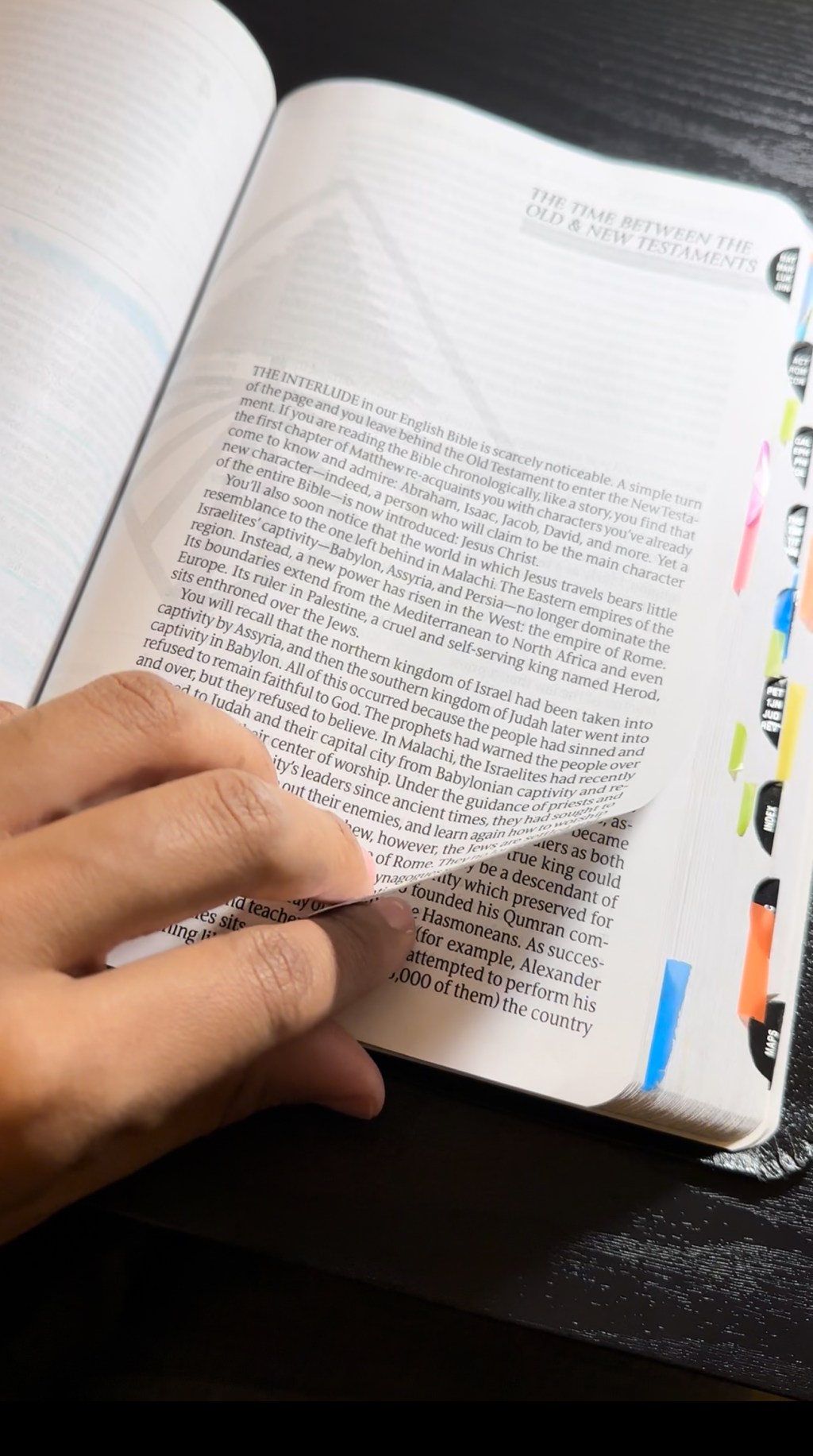
Sometimes we forget to pray, and there are days that we have fallen short, which has been detrimental for our family because we see cracks and issues arising, which we decide to get back on track and work on getting it right again. We have suggested everyone in our household have the bible app on their phones or tablet.
Yes, our 8-year-old has the kid’s bible app, and our 14 and 18-year-olds have the regular bible app. I have spent time teaching him and talking to him about the Bible stories to become familiar with them and learn about our God and the importance of keeping him first in our lives.
Bible study with the family is still a work in progress just because our schedules have been hectic. Still, when we have done this, it has been beneficial because we can break specific topics down and allow our kids to ask questions and explain to them certain things about the word of God. We also gather as a family to do weekly church attendance, mainly online, due to COVID and safety. Again, some weeks are better than others because our eight-year-old goes to his dad for the weekend, and the girls will spend the night with their older sisters. But that does not stop my husband and me from listening to service.
2) Communication- Parent to kid communication and parent-to-parent communication/Bonding time. Even though we are a blended family, we know that our kids still need that one-on-one time with the biological parent to talk about things they might not be comfortable sharing with the rest of the family. Every week, we try to find short times to check in on them or grab them something they like, or go on a drive to talk and catch up. My husband and I also try to find little moments throughout the day to check in on each other, flirt, make little gestures, and fill each other’s love tank.

Having Family meetings twice a month has also helped us discuss issues and anything our kids feel like bringing up to everyone’s attention and exploring and working through any problems. Or to talk about some fun things we can incorporate as a family. Do not get me wrong; there are weeks and a lot of times that the days get so busy and communication takes a hit, and we do not do these things, especially with our kids more than ourselves. But we try to dust it off and try again and apologize to our kids if need be. We also always tell them that we are not perfect, that we do get it wrong so that there is always room to get better, and grace is learned to be extended.
3) Discipline- You allow the biological parent to handle discipline with their biological child. You let them be the bad cop with their biological child, and you be the good cop. Build your relationship with the non-biological and play it by ear. We found that we can talk to the non-biological child and discuss what they did wrong lovingly and respectfully but always talk to your spouse about anything you see wrong so that the biological parent can address and correct it.

Be mindful of different parenting styles. How they handle their biological child might not be what you are used to, especially if there is a cultural difference. Please keep an open mind and discuss with your spouse why they use that parenting or discipline technique and suggest other ways that might be helpful to your particular situation. Be aware that talking about another person’s child with them is a sensitive topic and can be misinterpreted if not handled with care. Always pray about it and ask God to guide you before approaching a particular situation.
4) Do not take it personal- Every day is different. Not every day will the non-biological child feel like talking to you or be as jolly with you as you would like. It is entirely normal, especially if the other biological parent is involved in their life. There is a constant roller coaster of confusion, mixed feelings, loyalty issues, etc. Be mindful when the non-biological child spends time with the other parent and maybe influenced with ideas and behavior you may disapprove. Or they may have mixed feelings wishing his or her biological parents were still together.

These feelings can arise because the child may still be hurt and is working through understanding these changes. Be open-minded to hear the child out if they wish to speak to you about their feelings and apologize for what happened between their birth parents. Please encourage them to continue having a positive relationship with their biological parent and remind them your role is to help them in any way you can to see a bonus parent in you. Not a substitute or a replacement of their biological parent, just a bonus one. This tip will help build and grow the relationship between you and your non-biological child.
5) Bring finances together- work on being one for all kids and for them to understand we go to each other for approval. We have made it a point always to say Brenda and I or Matthew and I bought this for you. Our kids know that our finances are together. It’s not just, oh, mommy bought you this or dad just bought you this. They know that we are a team. So when it comes to purchasing an item, usually anything over $50, we typically run it by each other. Or we tell them we need to talk to each other before we purchase a more expensive item. This is so that our kids understand we are married, and we now make it a point to make decisions together.

I hope that these tips can bless and help you and your family as you work on this journey of unity and love with God in the center of it all. Just like they are continuing to help us. Father God, thank you for the reader looking at these words across this screen. Thank you for allowing them to take time from their busy schedule to read these lines that you have given me to share with them as we both journey on this family life. I pray for them, their spouse, and their children may your holy spirit meet them exactly where they are and that they can use some of these tips or that you speak to them through these lines so that they can better their family dynamic. We thank you for love, peace, wisdom, and joy in our family life. We love you and thank you; it is in the mighty name of Jesus we pray, Amen.





 BrendaHubbard
Leave a comment